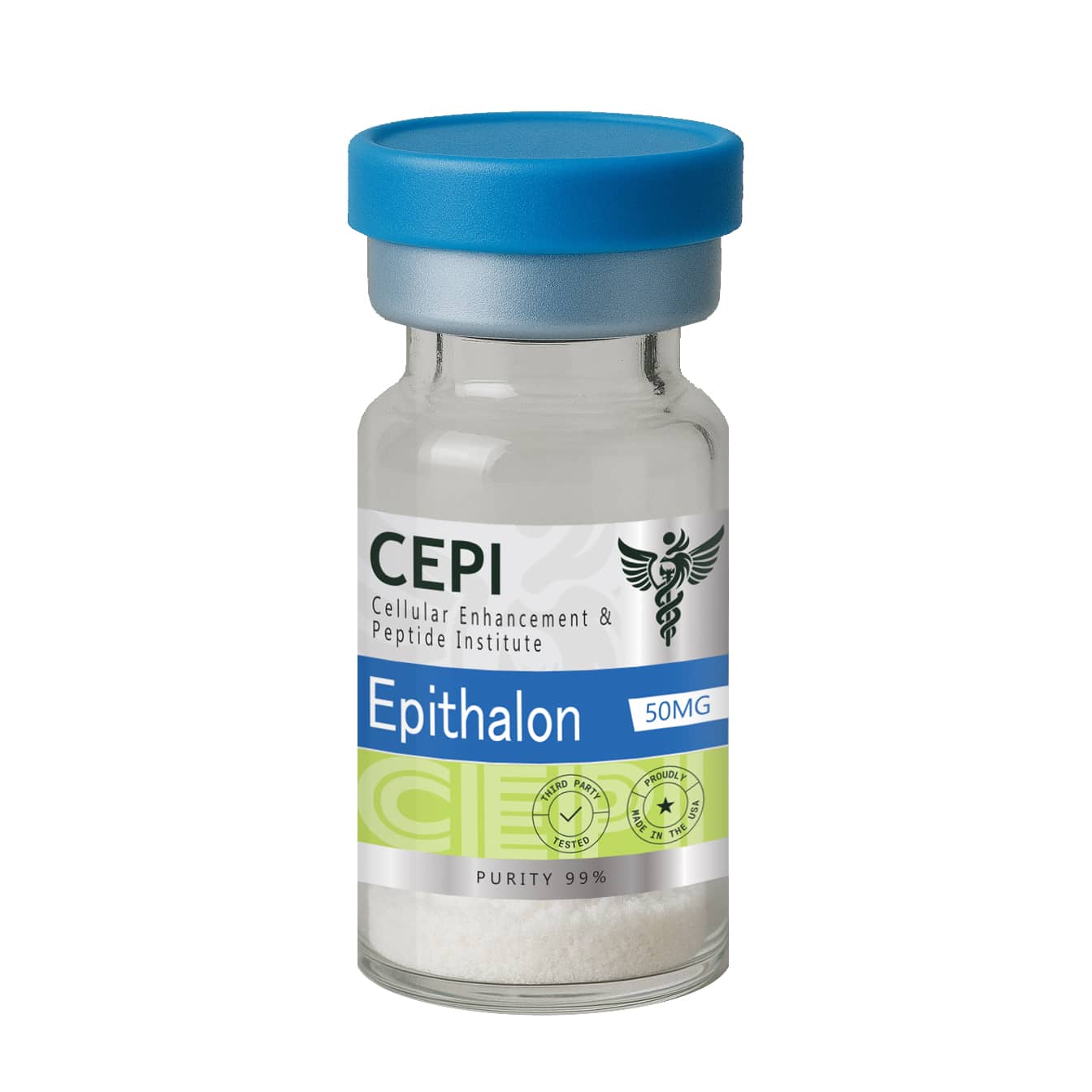
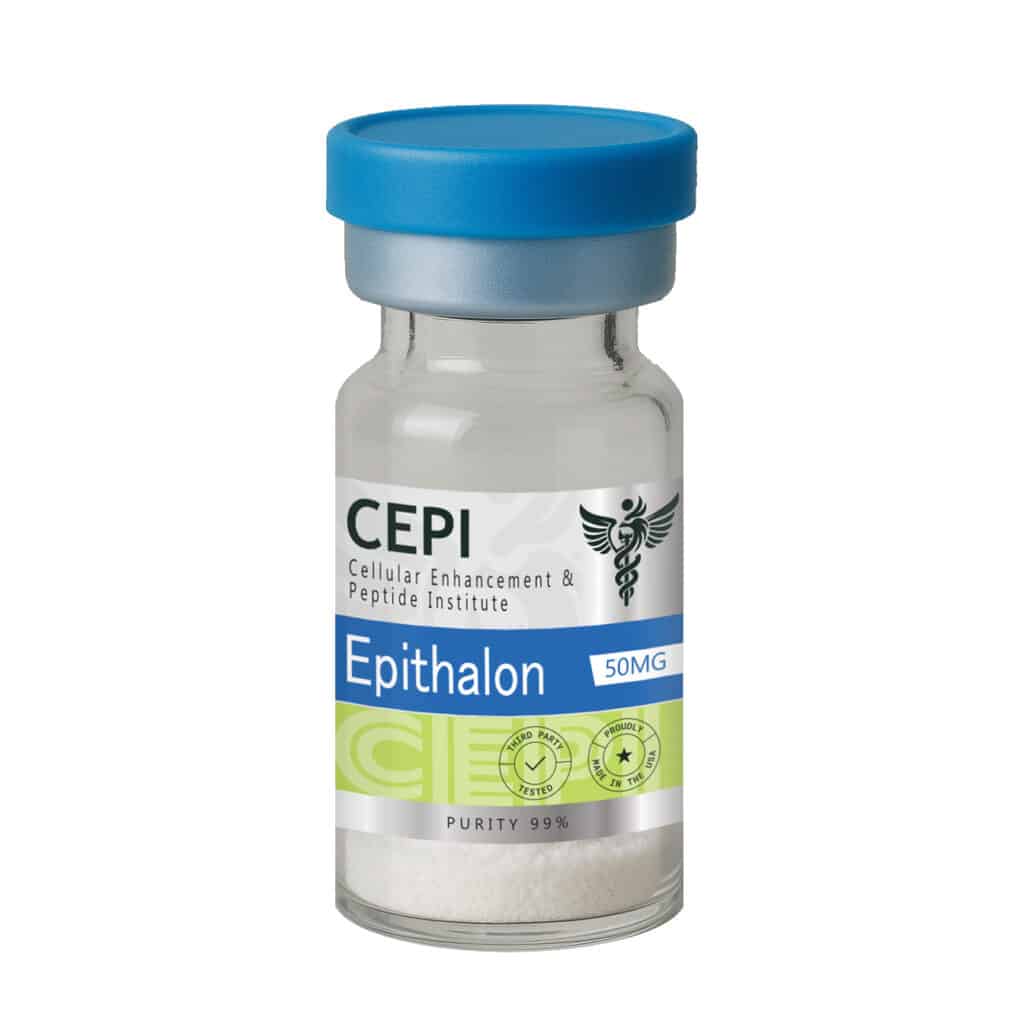
Epithalon 50 mg

Epithalon  50 is a synthetic tetrapeptide (Ala-Glu-Asp-Gly) developed as an analog of the naturally occurring pineal gland peptide Epithalamin. It has been widely studied for its potential role in regulating cellular health, longevity, and age-associated processes.

$79.99

These statements have not been evaluated by the Food and Drug Administration. This product is not intended to diagnose, treat, cure, or prevent any disease.
Description

Key Points

  • Telomere Support: Research indicates Epithalon may stimulate telomerase activity, helping to maintain telomere length—an important factor in cellular aging.

  • Cellular Protection: Shown in preclinical studies to modulate oxidative stress and support DNA repair mechanisms.

  • Circadian Rhythm Regulation: Early investigations suggest potential benefits in normalizing melatonin production and sleep cycles.

  • Immune & Endocrine Balance: May influence pineal, hypothalamic, and pituitary functions involved in hormonal and immune system regulation.

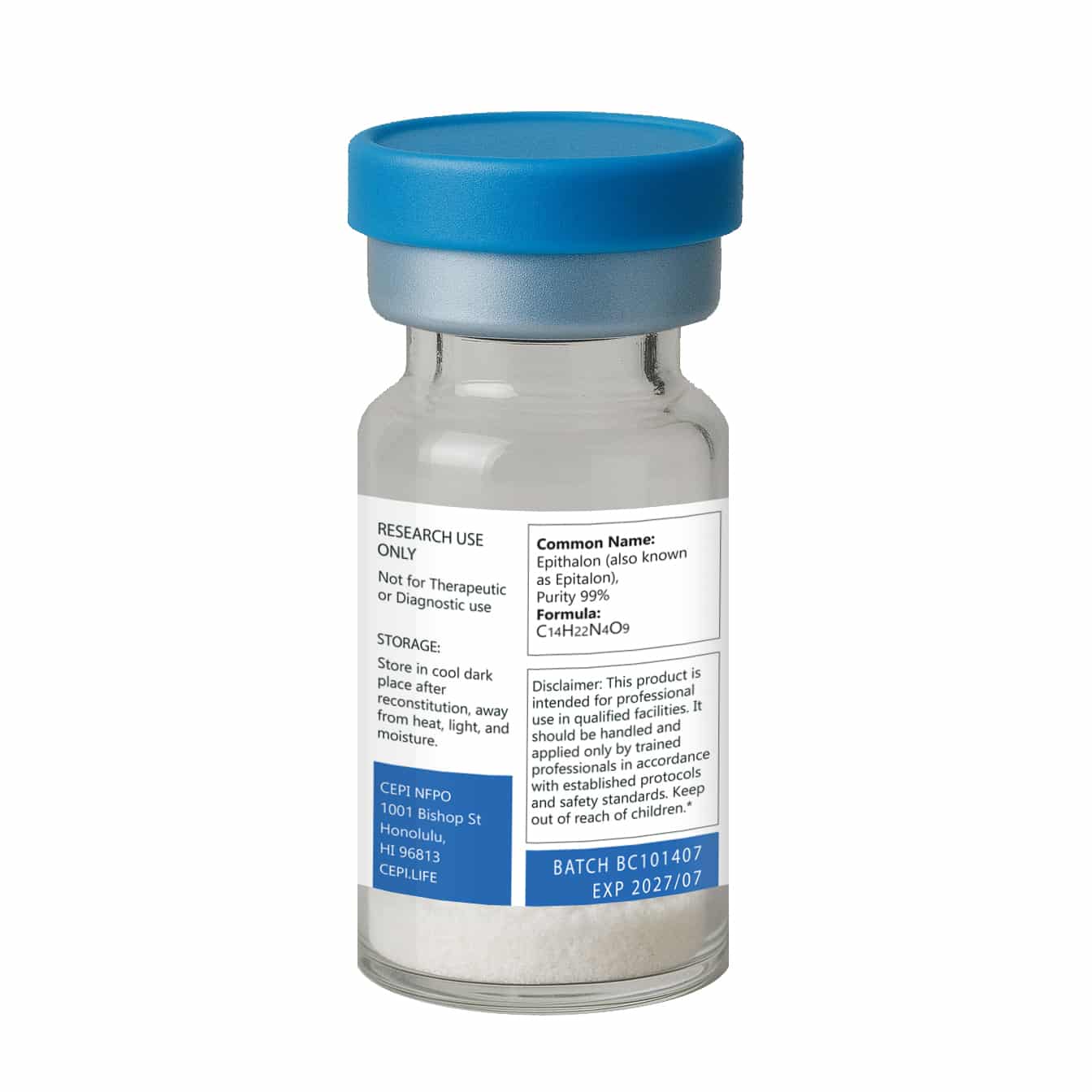
Research Use Only

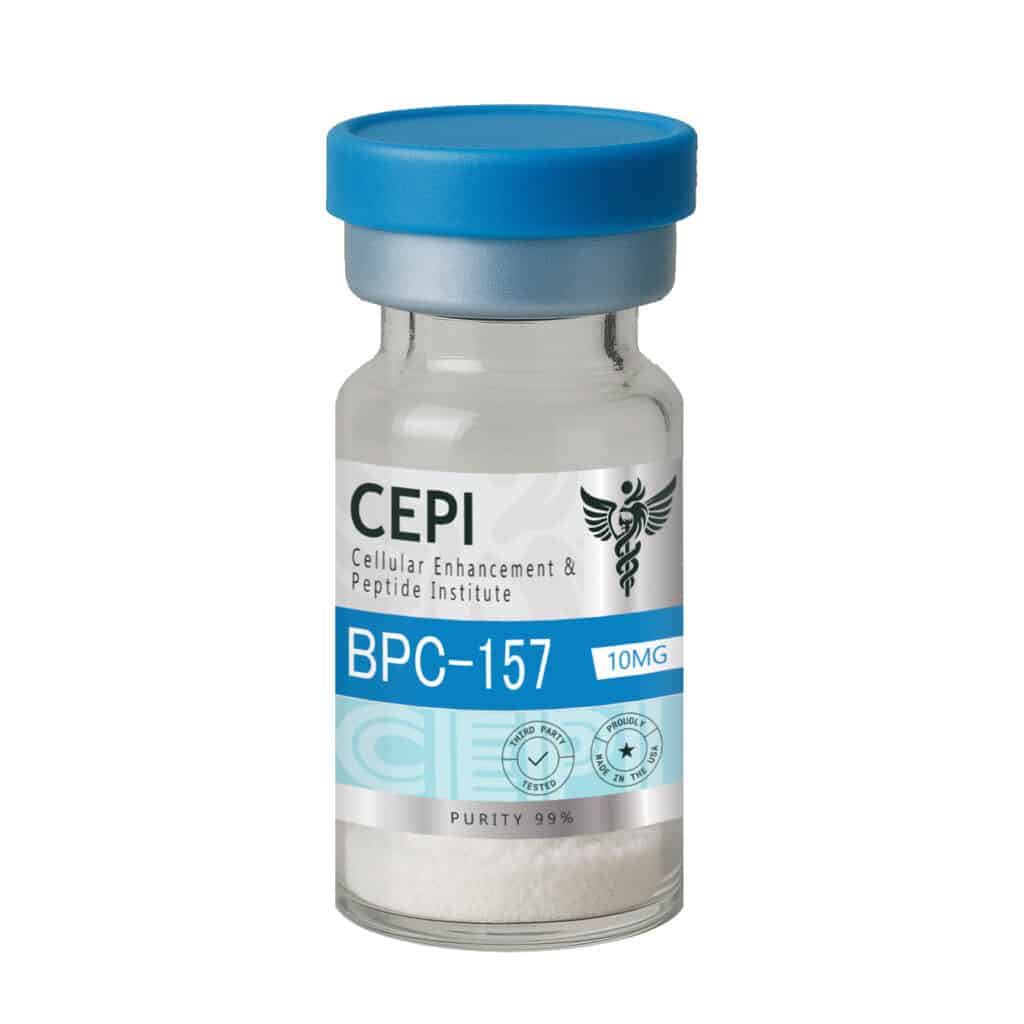
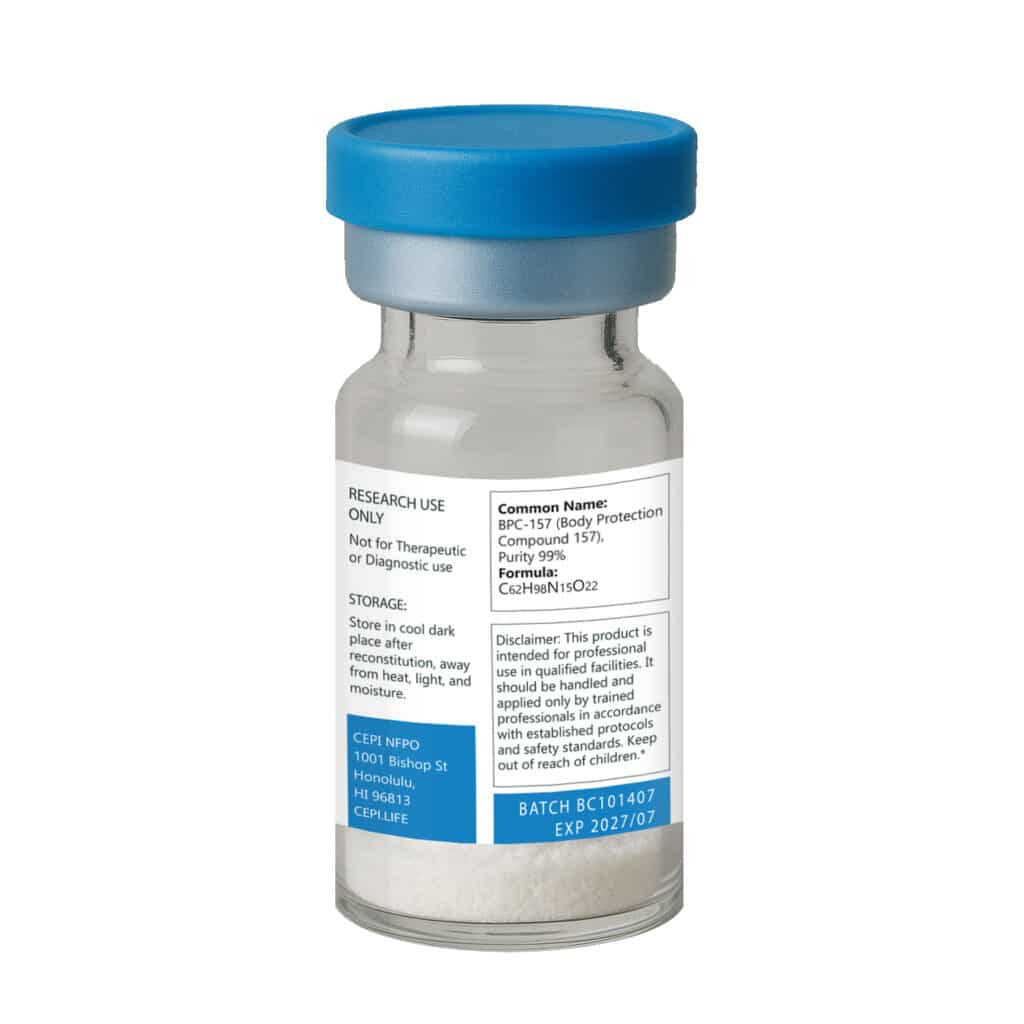
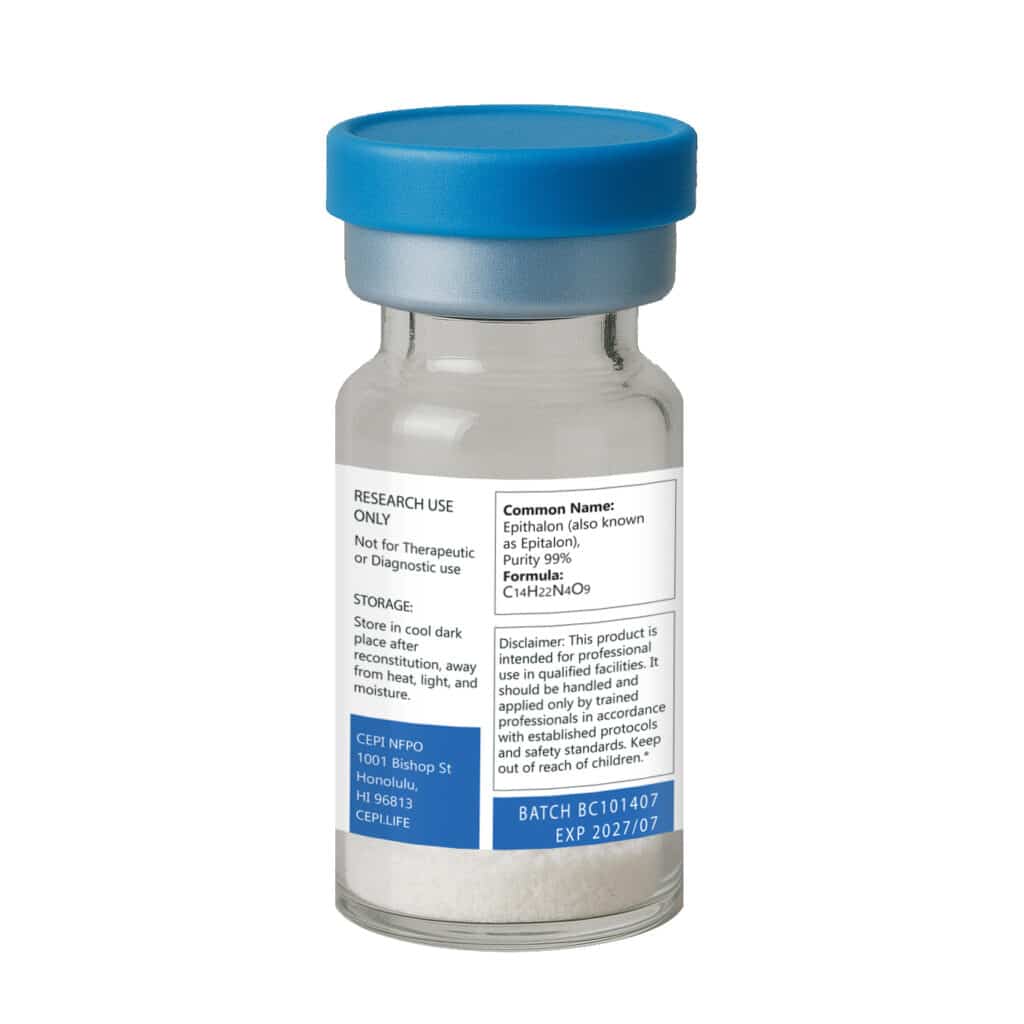
Epithalon is provided as a 10 mg lyophilized peptide in a sterile vial. This product is intended for laboratory research purposes only. It is not a drug, food, or dietary supplement, and is not approved for human consumption.

Reviews (0)

Reviews

There are no reviews yet.

Only logged in customers who have purchased this product may leave a review.

Research

Epithalon (Ala-Glu-Asp-Gly) has been studied for its potential role in healthy aging and cellular protection. Research suggests it may:

  • Support telomere maintenance through telomerase activation.

  • Reduce oxidative stress and promote DNA repair.

  • Influence pineal function and circadian rhythm regulation.

  • Contribute to improved immune and endocrine balance.

These findings come from decades of research in Russia, Europe, and more recent international studies.


References

  • Anisimov, V. N., Khavinson, V. K., & Morozov, V. G. (2000). Effects of synthetic tetrapeptide Epitalon on biomarkers of aging, survival, and spontaneous tumor incidence in mice. Mechanisms of Ageing and Development, 120(1–3), 45–55. https://doi.org/10.1016/S0047-6374(00)00165-3

  • Khavinson, V. K., & Morozov, V. G. (2003). Peptide regulation of aging: The epitalon experience. Annals of the New York Academy of Sciences, 1019(1), 391–396. https://doi.org/10.1196/annals.1297.071

  • Khavinson, V. K., Linkova, N. S., Dyatlova, A. O., & Kuznik, B. I. (2020). Peptide geroprotectors: Epitalon. Biogerontology, 21(5), 475–483. https://doi.org/10.1007/s10522-020-09887-5

  • Bondarev, I. E., Khavinson, V. K., & Butyugov, A. A. (2004). Epitalon increases lifespan of fruit flies. Neuroendocrinology Letters, 25(3), 201–204. PMID: 15361865