Overview
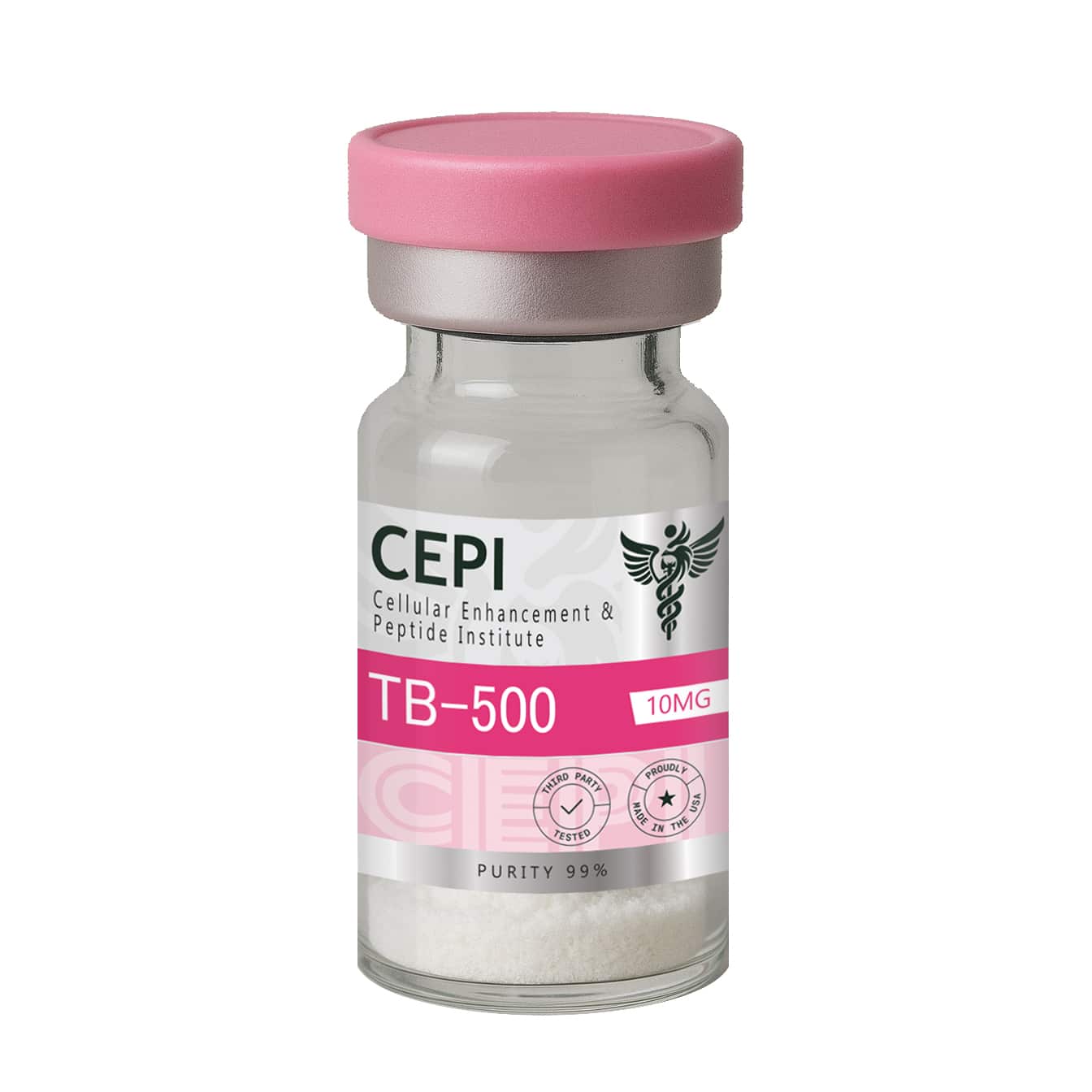
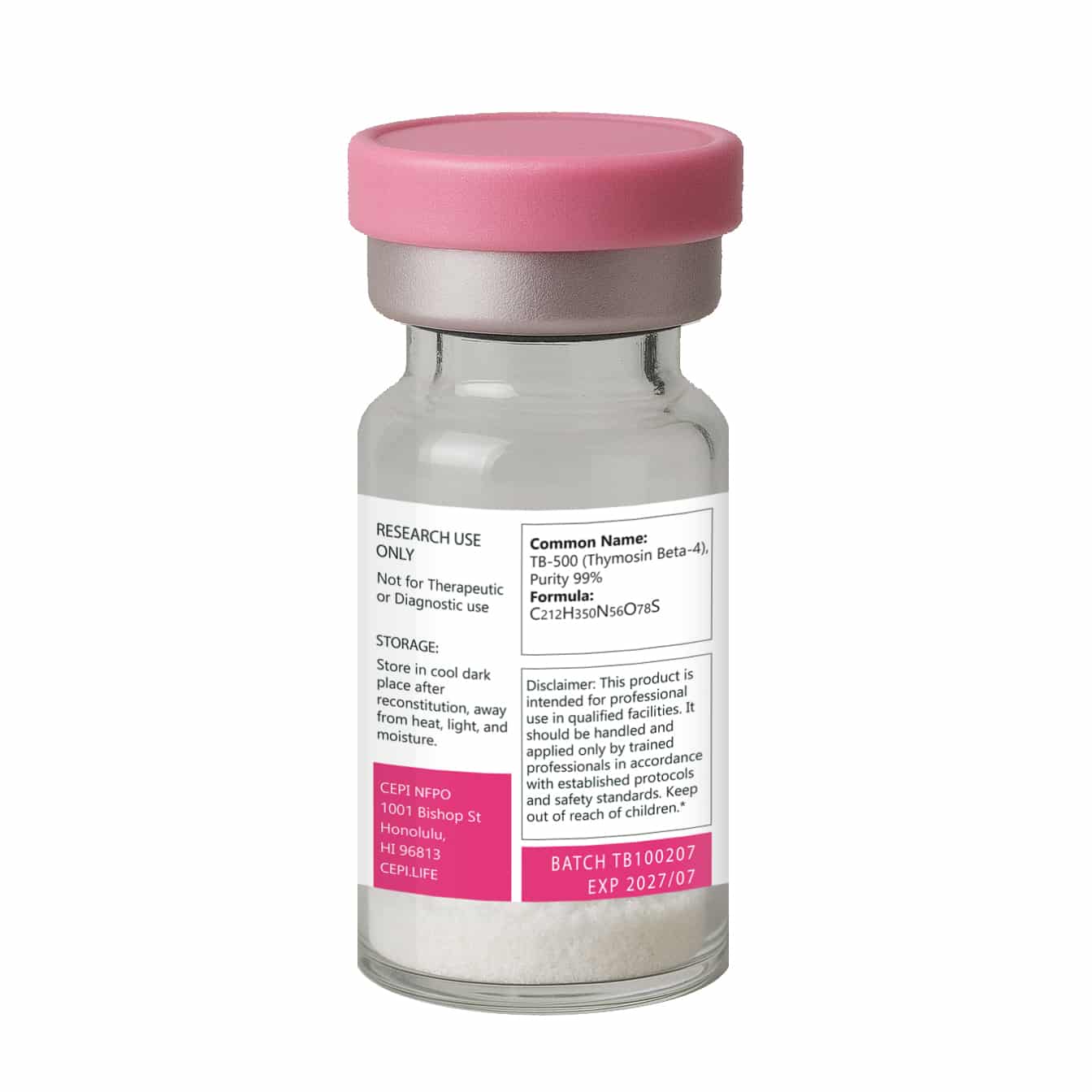
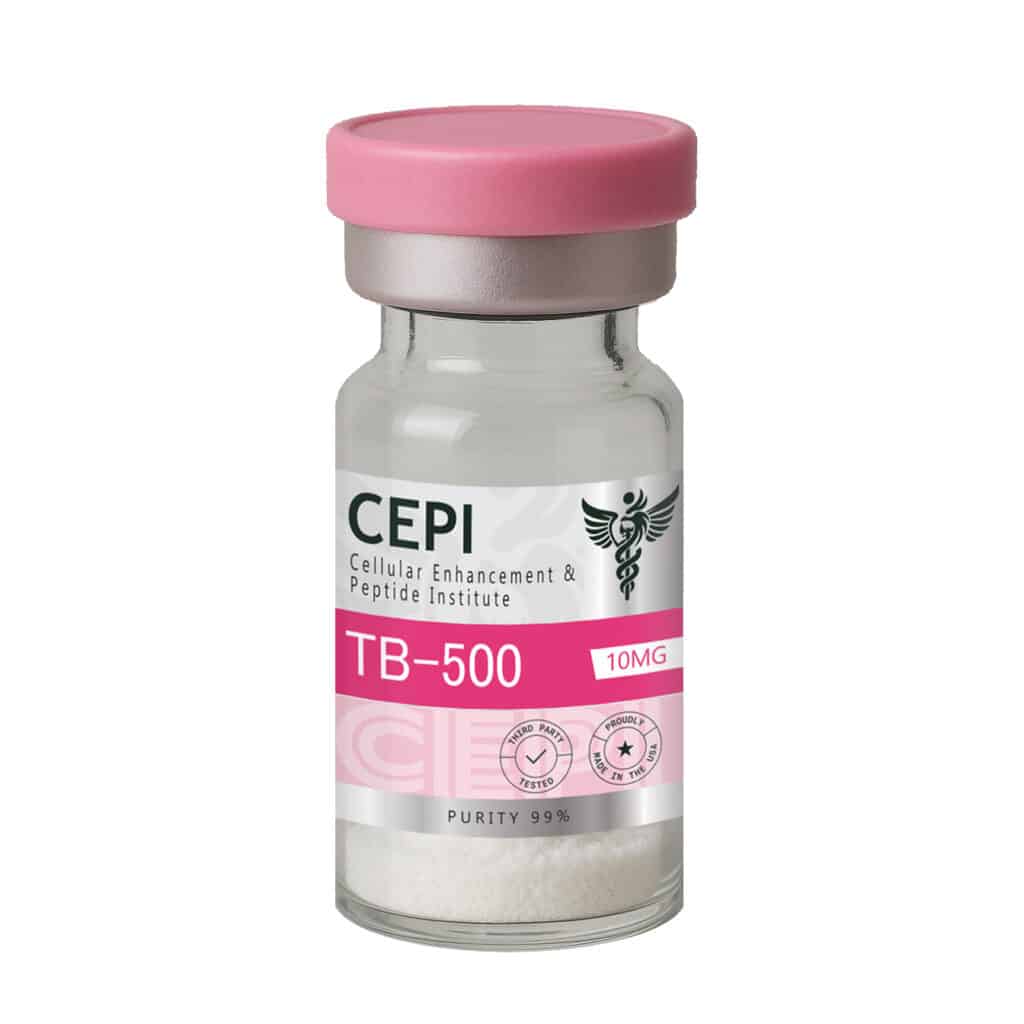
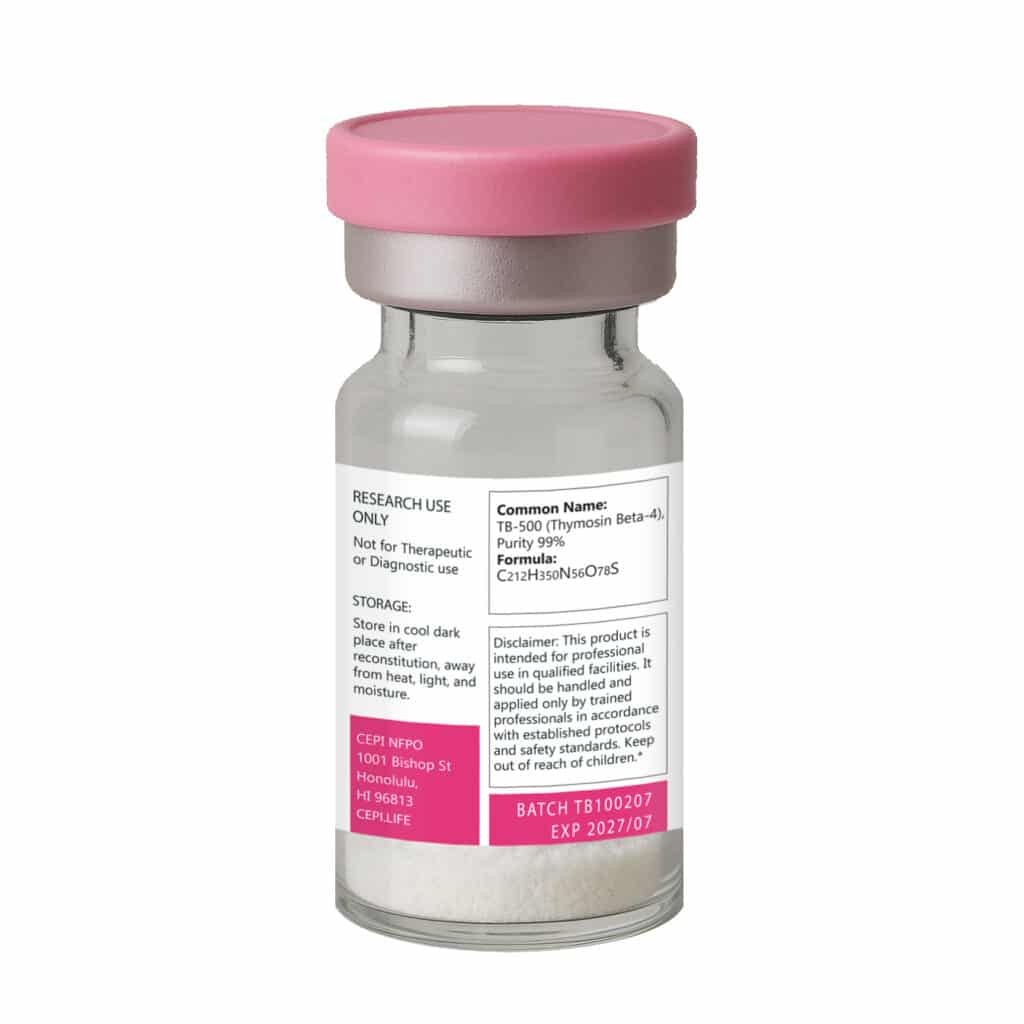
TB-500 is a synthetic peptide fragment of thymosin beta-4, a naturally occurring protein involved in cellular repair, migration, and tissue regeneration. It has been widely studied for its potential to accelerate healing, reduce inflammation, and promote regeneration in multiple tissues including muscle, tendon, cardiac, and ocular systems.
Mechanism of Action
TB-500 functions by regulating actin, a protein critical for cell shape and movement. By enhancing cell migration and stimulating new blood vessel formation (angiogenesis), TB-500 may accelerate wound healing, improve flexibility, and reduce inflammation. Research also indicates potential benefits in cardiac repair, corneal healing, and progenitor cell mobilization.
Research Highlights
-
Wound Healing & Tissue Repair: Demonstrated ability to enhance cell migration, skin regeneration, and recovery from injury.
-
Angiogenesis: Promotes growth of new blood vessels, improving oxygenation and nutrient delivery to damaged tissue.
-
Anti-inflammatory Pathways: Shown to reduce inflammation via NFκB modulation and other cellular mechanisms.
-
Cardiac Support: Encourages survival and migration of heart cells post-injury and stimulates progenitor cell activation.
-
Ocular Health: Studied for promoting corneal repair and reducing eye inflammation.
References
-
Malinda, K. M., Goldstein, A. L., & Kleinman, H. K. (1997). Thymosin β4 stimulates directional migration of human umbilical vein endothelial cells. FASEB Journal, 11(6), 474–481. https://doi.org/10.1096/fasebj.11.6.9194529
→ Demonstrates TB-500’s ability to promote endothelial cell migration, a key process in wound healing.
-
Philp, D., Goldstein, A. L., & Kleinman, H. K. (2004). Thymosin β4 promotes angiogenesis, wound healing, and hair follicle development. Mechanisms of Ageing and Development, 125(2), 113–115. https://doi.org/10.1016/j.mad.2003.11.001
→ Highlights TB-500’s role in stimulating new blood vessel growth, skin repair, and regeneration.
-
Bock-Marquette, I., Saxena, A., White, M. D., Dimaio, J. M., & Srivastava, D. (2004). Thymosin β4 activates integrin-linked kinase and promotes cardiac cell migration, survival, and repair. Nature, 432(7016), 466–472. https://doi.org/10.1038/nature03000
→ Shows potential cardiovascular benefits, aiding cardiac repair after injury.
-
Sosne, G., Hafeez, S., Greenberry, A. L., & Kurpakus-Wheater, M. (2002). Thymosin β4 promotes corneal wound healing and decreases inflammation in vivo following alkali injury. Experimental Eye Research, 74(2), 293–299. https://doi.org/10.1006/exer.2001.1112
→ Evidence for TB-500 in ocular healing and reducing inflammation in eye injuries.
-
Sosne, G., Qiu, P., Christopherson, P. L., & Wheater, M. (2007). Thymosin β4 suppression of corneal NFκB: A potential anti-inflammatory pathway. Experimental Eye Research, 84(4), 663–669. https://doi.org/10.1016/j.exer.2006.11.006
→ Suggests anti-inflammatory effects through NFκB pathway modulation.
-
Smart, N., Risebro, C. A., Melville, A. A. D., Moses, K., Schwartz, R. J., Chien, K. R., & Riley, P. R. (2007). Thymosin β4 induces adult epicardial progenitor mobilization and neovascularization. Nature, 445(7124), 177–182. https://doi.org/10.1038/nature05383
→ Supports TB-500’s role in mobilizing progenitor cells and stimulating blood vessel formation.





Reviews
There are no reviews yet.