-
Aging & Longevity
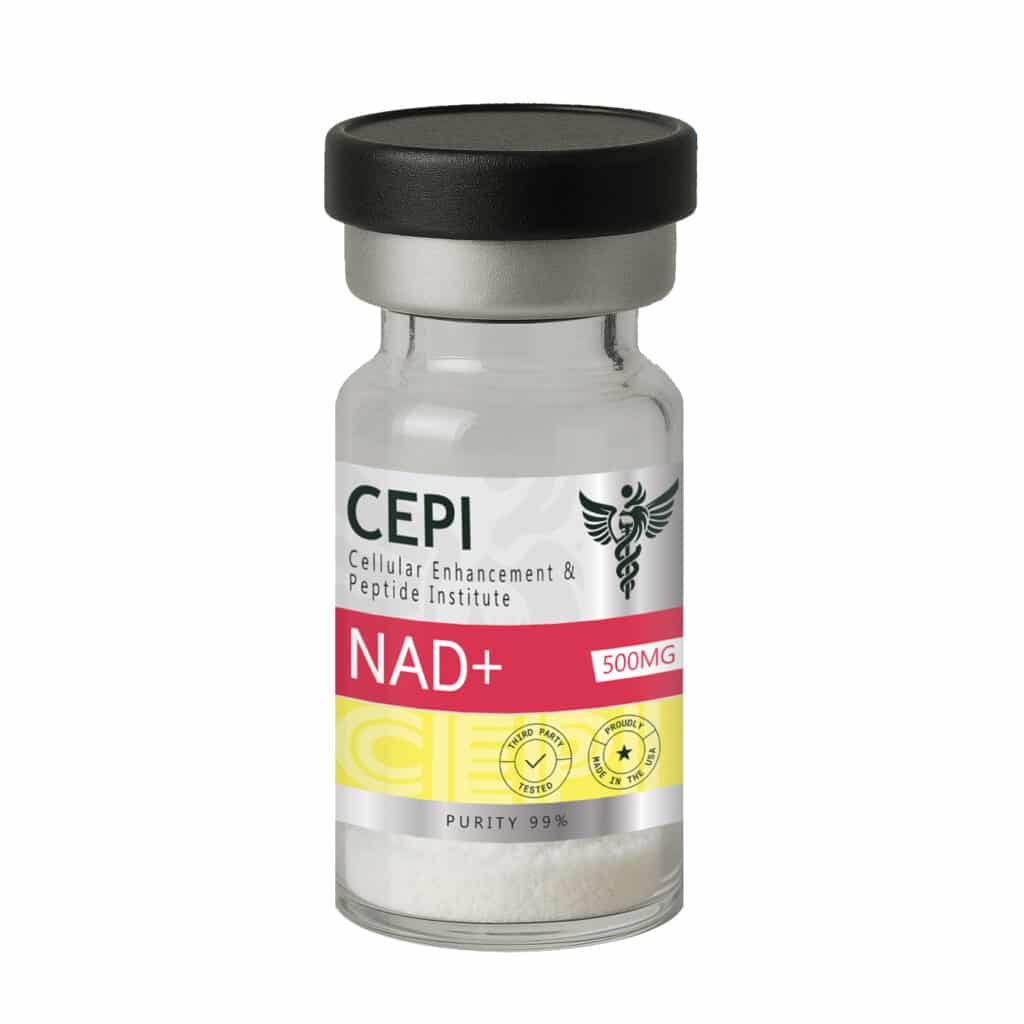
Declining NAD+ contributes to cellular aging. Restoring NAD+ in animal models improved glucose tolerance, muscle strength, and cardiac function by activating longevity pathways like sirtuins and AMPK, while dampening aging drivers such as mTOR .
-
Metabolic Health
NAD+ imbalance is linked to obesity, diabetes, and fatty liver disease. Boosting NAD+ helps restore proper metabolic signaling and stress response .
-
Cardiovascular Protection
Low NAD+ accelerates mitochondrial decline in the heart and vessels, raising risks of atherosclerosis and hypertension. Maintaining NAD+ supports cardiovascular resilience .
-
Neuroprotection
NAD+ supports mitochondrial function in neurons and reduces oxidative stress. Enhanced NAD+ availability has shown benefits in models of Alzheimer’s, Parkinson’s, and ALS, improving cognition and synaptic function .
-
Mitochondrial Function
NAD+ is a key substrate for sirtuins, enzymes that regulate mitochondrial health. Recent research identified SLC25A51 as a transporter maintaining mitochondrial NAD+ pools, further highlighting NAD+ as central to cellular energy .
-
Verdin, E. (2015). NAD⁺ in aging, metabolism, and neurodegeneration. Science, 350(6265), 1208–1213.
-
Gomes, A. P., et al. (2013). Declining NAD+ induces a pseudohypoxic state disrupting nuclear-mitochondrial communication during aging. Cell, 155(7), 1624–1638.
-
Yoshino, J., et al. (2011). Nicotinamide mononucleotide, a key NAD⁺ intermediate, treats the pathophysiology of diet- and age-induced diabetes in mice. Cell Metabolism, 14(4), 528–536.
-
Lee, C. F., et al. (2016). Normalization of NAD+ redox balance as a therapy for heart failure. Circulation, 134(12), 883–894.
-
Hou, Y., et al. (2018). NAD+ supplementation normalizes key Alzheimer’s features and DNA damage responses in a new AD mouse model with introduced DNA repair deficiency. PNAS, 115(8), E1876–E1885.
-
Davila, A., et al. (2018). Nicotinamide adenine dinucleotide is transported into mammalian mitochondria. Nature Structural & Molecular Biology, 25(9), 832–837.








Reviews
There are no reviews yet.